
Everyday explained: What does the unique number on Indian trains mean?
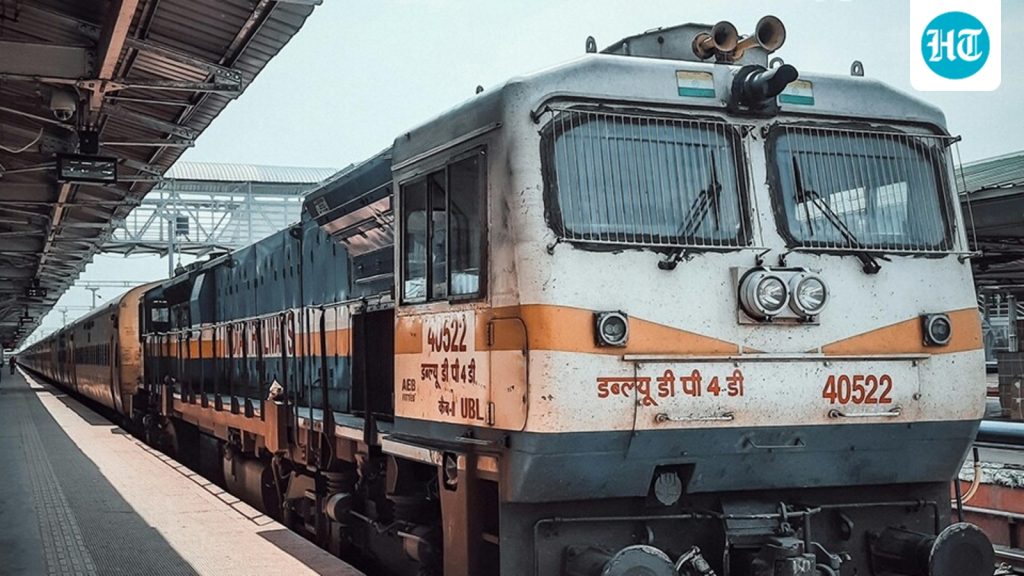
Everyday explained: Understanding Indian Train Numbering System
Bharatmorningnews.com – For generations, train travel has been woven into the fabric of Indian life. From childhood memories of rushing to platforms to locate coaches and seats, railways have shaped how millions navigate the subcontinent daily. Yet behind every journey lies a numerical identity that tells a story of its own. Understanding this system through Everyday explained helps passengers decode the seemingly random numbers displayed on train bogies.
The Evolution of Train Numbering
Between 1989 and 2010, Indian Railways employed a four-digit classification known as ‘Universal Numbers’ for long-distance passenger services. While functional, this system had limitations—numbers weren’t distinctive across different railway zones. This Everyday explained approach to numbering created confusion for travelers moving between zones.
In 2010, a comprehensive transformation occurred. The Ministry of Railways introduced a five-digit framework, describing the change as more scientific, logical, uniform, and suited for computer systems. To ease passengers into this transition, existing four-digit numbers received a leading ‘1’ as a prefix. This Everyday explained methodology ensured continuity while modernizing the system.
Meanwhile, special trains deployed during festival seasons and holiday rushes followed mail and express train patterns but carried a ‘0’ prefix instead. These temporary services maintained their identity through this simple numerical addition.
Understanding the Number Structure
Each five-digit train number carries specific information that passengers can decode with practice. The opening digit reveals the train category. The middle two digits identify the zonal code or division, while the final pair serves as the train’s unique serial identifier.
A leading ‘1’ designates long-distance scheduled services, including regular express and mail trains, plus superfast categories like Duronto, Yuva, Rajdhani Express, Shatabdi Express, Jan Shatabdi Express, Garibrath Express, and Sampark Kranti Express. Any train maintaining express or mail characteristics throughout its route falls under this classification. This Everyday explained system makes it easier to identify train types at a glance.
When the ‘1’ series fills up in any particular range, the ‘2’ designation takes over for long-distance trains. The second digit points toward the zone’s headquarters—whether Eastern, Northern, West-Central, or other regions. The third digit signals the train’s terminal destination, such as Howrah, Delhi, or Mumbai. Together, these two digits create a geographic fingerprint.
Alternatively, the ‘2’ designation marks superfast trains and select other classes independent of their zones, with the following digit typically representing the zone code. Another perspective suggests that the first two digits displayed on train bogies indicate the manufacturing year, while the remaining three digits identify the coach or compartment type.
According to a 2010 notice from the Press Information Bureau, the shift to five-digit numbering aimed to encompass all passenger trains operating across Indian Railways on various software platforms.
Everyday explained: Frequently Asked Questions
Q: What does the first digit of a train number represent? A: The first digit indicates the train category. A ‘1’ typically signifies long-distance scheduled services, while ‘2’ often marks superfast trains.
Q: How can I identify my train’s zone from its number? A: The second and third digits together help identify the zone and terminal destination. For example, trains heading to Howrah or Delhi have specific digit combinations.
Q: What happened to the old four-digit train numbers? A: During the 2010 transition, existing four-digit numbers received a leading ‘1’ as a prefix, converting them to five-digit format.
Q: Do special trains have different numbering? A: Yes, special trains during festivals and holidays follow mail and express patterns but carry a ‘0’ prefix instead of ‘1’ or ‘2’.
Understanding these numerical patterns through Everyday explained makes train travel more convenient for millions of passengers across India. The system, while initially requiring adjustment, has proven to be an efficient way to organize and identify the vast network of Indian Railways services.
Related Reading
Frequently Asked Questions
What is Everyday explained?
Everyday explained is the main topic of this guide. The article explains the context, practical details, and next steps readers should understand.
Why does Everyday explained matter?
Everyday explained matters because readers are looking for a useful answer, not just a short summary. Good content should match search intent and help them decide what to do next.