
‘I started paying off while in college’: IIM grad used side hustles to bring loan EMI down to ₹30,000
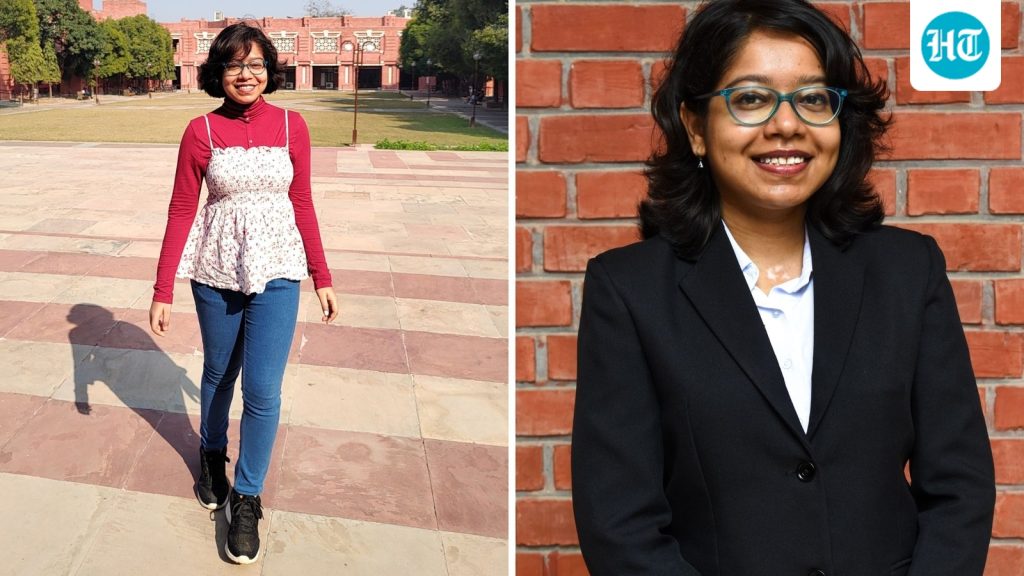
IIM Grad Cleared ₹28L Loan Using Side Hustles
How Sneha Baidya Reduced Her Education Debt
Bharatmorningnews.com – this is the mindset that transformed Sneha Baidya’s financial journey. Originally from Kolkata, this IIM graduate successfully navigated the substantial financial challenges of pursuing her MBA at one of India’s premier business schools. With total expenses reaching approximately ₹28 lakh, she managed to shrink her education loan to less than ₹5 lakh by the time she completed the 2023–25 batch. Her secret? Leveraging multiple income streams while studying and maintaining strict financial discipline.
Today, the corporate professional handles a monthly EMI of roughly ₹30,000. She has set an ambitious target to eliminate all debt within the coming six months. Her journey demonstrates how strategic financial planning can significantly reduce the burden of higher education loans, making it an inspiring case study for current and future MBA students across India.
Building Multiple Income Streams During MBA
Baidya began her freelancing career during her time at IIM itself. She officially graduated from the prestigious institution in 2025. Her proactive approach to income generation allowed her to make substantial progress on her loan even before completing her degree. This early start to repayment gave her a significant advantage over many of her peers who only began paying off their loans after securing employment.
“I started paying off while I was in college itself. On my Instagram page (@sneha.said.what), I talked about having 4 sources of income while being in IIM. My summer internship, freelancing and live project helped me support myself in the second year. My parents were generous enough to help me as well. Hence, I had a lesser loan amount as compared to my batch mates.”
Her financial strategy involved careful allocation of resources. Daily expenses, which included personal commuting costs, dining out, travel, and notably the summer internship period (typically held in another city or state), totaled around ₹3 lakh. Her parents contributed ₹4 lakh over a two-year span, which she directed toward loan repayment. This combination of parental support and self-generated income created a sustainable repayment model.
Smart Spending Habits for Debt Reduction
Beyond parental support, freelancing emerged as a cornerstone of her repayment journey. She engaged in various side hustles to generate additional income, ensuring consistent progress on her debt reduction goals. Her approach wasn’t just about earning more—it was also about spending wisely and making every rupee count.
“Spend cautiously. Every rupee you borrow, comes back with interest. For example- Our mess and canteen fees were tied to a loan account. So each time I had to buy small value items, I bought it from nearby grocery shops. Paid my mess fees from my side income. These smart choices would help you in the long run.”
Her disciplined approach to saving and spending played a crucial role. By minimizing unnecessary expenditures and maximizing income opportunities, Baidya achieved what many consider an exceptional feat in managing educational debt. Her story serves as an inspiration for students navigating the financial complexities of premium MBA programs.
Key Takeaways for MBA Students
The journey of an IIM graduate who started paying off while in college offers valuable lessons for aspiring business students. First, begin repayment early—don’t wait until after graduation. Second, diversify your income sources to create financial stability. Third, track every expense and understand where your money goes. Finally, leverage parental support strategically rather than relying solely on loans.
With a current EMI of ₹30,000 and a clear timeline for debt elimination, Sneha Baidya’s approach proves that education debt doesn’t have to be a lifelong burden. Her success story combines hard work, smart financial decisions, and the courage to pursue multiple income streams simultaneously.
Frequently Asked Questions
How much was Sneha Baidya’s total MBA expense?
Sneha Baidya’s total MBA expenses reached approximately ₹28 lakh during her time at IIM. This included tuition fees, living expenses, travel costs, and other academic-related expenditures over the two-year program duration.
What was her monthly EMI after completing the MBA?
After completing her MBA and beginning full-time employment, Sneha Baidya handles a monthly EMI of roughly ₹30,000. This figure reflects the remaining loan amount after her aggressive repayment strategy during college.
How many income sources did she maintain during IIM?
Sneha Baidya maintained four sources of income while being in IIM. These included her summer internship, freelancing work, live projects, and support from her parents. This diversified income approach helped her reduce her loan burden significantly.
What was her target for complete debt elimination?
Sneha Baidya set an ambitious target to eliminate all her education loan debt within six months of completing her MBA. Her current remaining loan amount is less than ₹5 lakh, making this goal achievable through her disciplined repayment approach.
How much did her parents contribute toward her education?
Her parents contributed ₹4 lakh over a two-year span during her MBA program. This contribution was specifically directed toward loan repayment, helping her maintain a lower loan amount compared to many of her batchmates.