
Japan balances military and moral heft amid uncertainty
Japan Navigates Military and Moral Weight During Period of Change
Bharatmorningnews.com – On August 6 and 9 each year, Japan marks the atomic bombings of Hiroshima and Nagasaki. These dates have been observed since 1947 and 1955 respectively, serving as moments for solemn reflection and calls toward eliminating nuclear arsenals worldwide. Memorial gatherings bring together survivors, government officials, and foreign dignitaries who remember the terrible human cost of nuclear conflict.
The 2026 commemorations arrive during a pivotal moment for Japanese security policy. Questions are mounting about whether Tokyo’s responses to emerging threats are reshaping its long-held pacifist character. Since the conclusion of World War II, Article 9 of the nation’s constitution has stood as a commitment to reject war as a tool of national policy.
Security Challenges Reshape Defense Posture
For decades, Japan depended on American conventional and nuclear protection while directing domestic resources toward economic recovery. The Self-Defence Forces, created in 1954, were deliberately framed as defensive rather than offensive military instruments. That established framework now faces considerable pressure.
Multiple security concerns have converged to create what may be the most substantial reassessment of Japanese defense strategy since 1945. North Korea continues advancing its nuclear and missile capabilities. China has modernized its military rapidly while becoming more assertive in the East China Sea. Russia’s invasion of Ukraine and increased Pacific naval presence add further complexity. Meanwhile, doubts about sustained American commitment to regional security have grown.
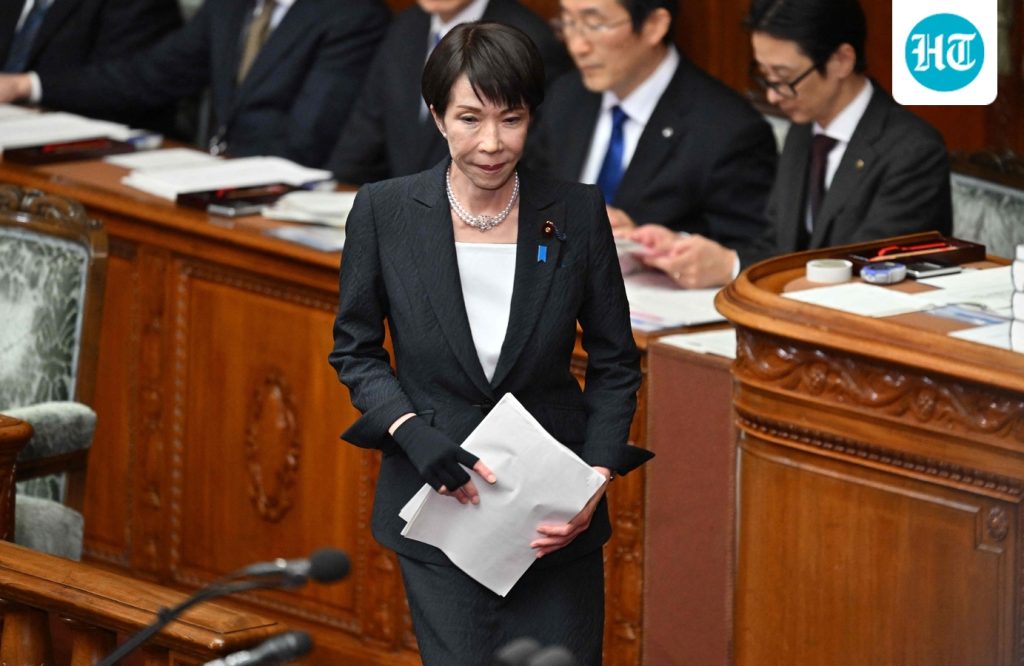
These transformations have gained momentum under Prime Minister Sanae Takaichi. Her administration builds on security reforms implemented over the previous ten years, arguing that post-Cold War assumptions no longer hold. In her recent policy address to the Diet, Takaichi advocated for substantial enhancement of defense capabilities, accelerated revision of the Three Strategic Documents, and readiness for multi-domain conflicts encompassing cyber operations, space, artificial intelligence, and unmanned systems.
Four Pillars of Evolving Strategy
The shifting approach reveals four central themes. Defense-industrial resilience has emerged as a security goal in its own right. Relaxing restrictions on defense exports serves dual purposes: supporting allies and partners while strengthening Japan’s industrial foundation through increased production and innovation. The notion of “active deterrence” has gradually supplanted the more limited concept of passive defense. Finally, growing anxiety that Washington might prioritize managing competition with Beijing has fostered greater strategic autonomy. Japan does not seek to replace the American security umbrella but rather to reinforce it through enhanced self-reliance.
These developments mark a meaningful evolution in Japanese strategic thought. However, declaring that pacifism has been abandoned would overstate the case. Rather than transforming into a conventional military power, Japan is becoming a normal deterrent state. Its military expansion remains defensive, operates within the US-Japan alliance framework, and aims to preserve regional stability rather than project power abroad. Article 9’s constraints continue influencing policy, even as interpretations become more flexible.
Public Opinion and Nuclear Stance
Japanese society has become less instinctively pacifist than at the beginning of the century, yet militarism has not taken hold. A 2025 Cabinet Office survey revealed that 45 percent of respondents supported strengthening the Self-Defence Forces, while approximately half favored maintaining current capabilities. More than 93 percent expressed favorable views of the SDF, demonstrating substantial public confidence.
Strategic continuity remains clear regarding nuclear weapons. Opposition continues to dominate public sentiment. A Jiji Press poll conducted earlier this year showed that 62.6 percent opposed Japan acquiring nuclear capabilities, compared to just 16.7 percent in favor. Nearly half of those surveyed wanted to preserve the Three Non-Nuclear Principles—refusing to possess, produce, or allow the introduction of nuclear weapons—while 30 percent indicated openness to potential revision.
Japan stands as a threshold nuclear state. Its advanced civilian nuclear technology, plutonium reserves, sophisticated missile and space systems, and highly developed industrial infrastructure provide the technological groundwork for a nuclear weapons program. Should the Nuclear Non-Proliferation Treaty framework shift, Japan possesses the capacity to develop nuclear capabilities relatively quickly.
Related Reading
Frequently Asked Questions
What is Japan balances military and moral heft?
Japan balances military and moral heft is the main topic of this guide. The article explains the context, practical details, and next steps readers should understand.
Why does Japan balances military and moral heft matter?
Japan balances military and moral heft matters because readers are looking for a useful answer, not just a short summary. Good content should match search intent and help them decide what to do next.