
‘Not too late, HC will ensure justice’: Tahir Hussain on life term in Ankit Sharma murder case
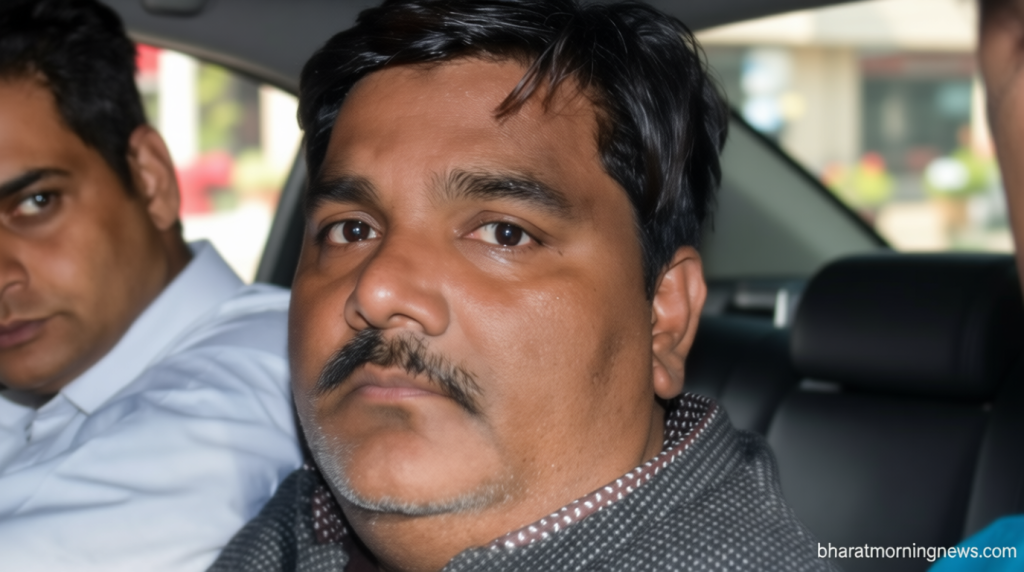
‘Not Too Late HC Will Ensure Justice’: Tahir Hussain’s Life Term Verdict
Bharatmorningnews.com – Not too late HC will ensure justice, declared former Aam Aadmi Party councillor Tahir Hussain following his life imprisonment sentence for the murder of Intelligence Bureau employee Ankit Sharma. The High Court would deliver the justice he sought, Hussain expressed with confidence after the trial court handed down the verdict on Friday during proceedings connected to the 2020 northeast Delhi riots. This statement captured the hope of many who had waited years for accountability in one of the most high-profile cases emerging from the communal violence.
While departing from the Karkardooma court premises, Hussain shared his perspective with waiting journalists. He emphasized that the High Court would provide the justice he sought and stressed that it was not too late for that outcome to materialize. His words reflected a belief that the appellate process would address any concerns about the trial court’s decision.
“Insaaf High Court se milega. The High Court will give justice; it is not too late.”
Judge’s Reasoning and Sentencing Details
Additional Sessions Judge Parveen Singh imposed life imprisonment on Hussain alongside four other convicted individuals involved in the case. The judge declined the Delhi Police’s request for capital punishment, noting that while the crime was severe and involved a violent mob, it did not qualify under the “rarest of the rare” classification required for the death penalty. This distinction proved crucial in determining the appropriate punishment for all five convicts.
The prosecution’s inability to prove that the convicts were beyond reform or would continuously threaten society was highlighted by the judge during the oral sentencing remarks. The Delhi Police had characterized the killing as exceptionally brutal and cold-blooded in their arguments for execution, but the court found insufficient evidence to support such a severe penalty.
Background of the Murder Case
Hussain was one of five individuals found guilty in connection with Sharma’s death. The IB staffer’s body was discovered in a drain located in Chand Bagh on February 26, 2020, bearing multiple stab wounds. The discovery occurred amid the communal violence that swept through northeast Delhi, marking one of the darkest chapters in the city’s recent history.
The 2020 Delhi riots represented one of the most deadly periods of communal conflict in the capital over several decades. Tensions escalated between February 23 and 26, 2020, following demonstrations concerning the Citizenship Amendment Act and the proposed National Register of Citizens. What began as political protests quickly transformed into widespread violence across multiple neighborhoods.
Mobs engaged in stone-throwing, arson, and vandalism across multiple neighborhoods including Jaffrabad, Maujpur, Chand Bagh, Bhajanpura, and Karawal Nagar. Residential homes, commercial establishments, vehicles, and religious sites were destroyed in the violence. The death toll reached at least 53 individuals, with over 500 people sustaining injuries. The majority of fatalities were civilians, though a Delhi Police head constable also perished during the unrest.
Family’s Reaction to the Verdict
Earlier this month, Ankit Sharma’s relatives expressed mixed emotions regarding Hussain’s conviction. They acknowledged finding some comfort in the court’s decision while noting that the verdict had revived painful recollections of the tragedy. The emotional response highlighted the complex nature of justice for victims’ families.
“There is a sense of relief because the court has convicted some of the accused, but at the same time, all the painful memories have come rushing back.”
Sharma’s brother conveyed that no legal judgment could compensate for the loss of his sibling. He described feelings of grief, anger, and an irreparable emptiness, calling Sharma one of the strongest supports their family had ever known. The family relocated from Delhi within months following the riots and currently reside in rented housing in Uttar Pradesh. They explained that the violence made them feel unsafe remaining in the national capital.
Several activists, politicians, and alleged masterminds faced charges under multiple sections of the Indian Penal Code, with certain individuals also prosecuted under the Unlawful Activities (Prevention) Act. The case remains part of a broader effort to ensure accountability for crimes committed during the riots, with numerous trials ongoing across Delhi courts.