
‘I messed up’: Founder apologises for offering job interviews to party guests willing to get tattoos
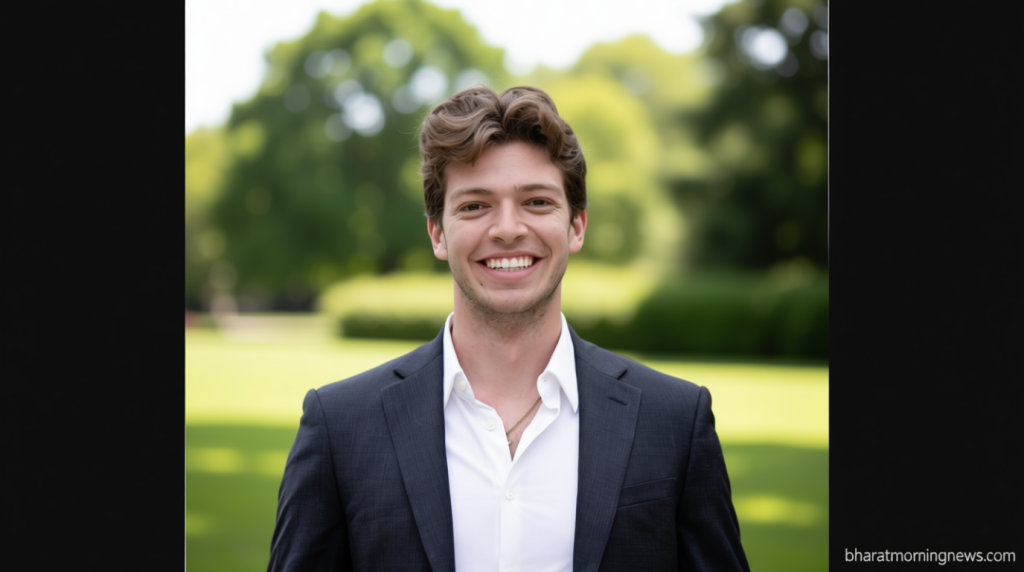
Founder Apologises After Tattoo Interview Controversy
Bharatmorningnews.com – “I messed up” — that was the simple admission from Jordan Zietz, co-founder of LemonLime, after his social media stunt sparked widespread criticism. The San Francisco-based entrepreneur took to LinkedIn to address the backlash following his offer of job interviews to party guests who got tattooed during a celebration. When reflecting on the situation, Zietz admitted, “I messed up” by connecting tattoos to hiring decisions in what he now recognises as a misstep.
The Tattoo Interview Offer That Backfired
During a Y Combinator afterparty, Zietz made an announcement that would soon become controversial. He offered free tattoos to attendees and promised that anyone who got inked would receive a job interview at his company. Seven party guests took him up on the offer, getting tattooed on the spot with the promise of employment opportunities ahead.
“At our YC afterparty, we offered free tattoos and said we’d be happy to interview anyone who got one. What I thought would be a fun, memorable way to meet people was, in reality, reckless.”
The response was swift and unforgiving. Online critics labelled the gesture as both “illegal” and “unethical,” questioning the power dynamics at play. In his apology, Zietz acknowledged the severity of the situation: “I messed up” by failing to recognise how his offer might be perceived by job seekers who were already vulnerable.
While participants were free to choose their own tattoos and no one was required to get the LemonLime logo, Zietz recognised the subtle pressure he had created. He stated that turning a personal celebration into a corporate stunt demonstrated poor judgment. “I messed up” by not considering how job seekers might feel compelled to participate rather than choosing freely.
“Even though participants chose their own tattoos and no one was asked to get our logo, I should have understood the pressure and power dynamic created by connecting tattoos to hiring.”
The company has since removed the original posts and reached out to all participants. Zietz also committed to covering any tattoo removal costs for those who experience regret. His apology was straightforward: “I’m sorry to the people we put in that position, and to everyone who expected better from me. There’s no clever explanation here. I got carried away, and I was wrong.”
Public reaction remained divided. Some praised Zietz for his transparency and willingness to admit fault, while others remained unconvinced. One critic questioned whether the gesture was genuine or merely a way to generate attention: “It’s crazy that you thought this was a good idea until you received backlash.”
The controversy highlights an ongoing conversation about corporate social media strategies and their potential to alienate rather than engage. As Zietz noted, “I messed up” — and the company is now working to make amends with those affected by the ill-fated tattoo interview offer.