
Ram Mandir theft: A test of our dharma, not of God’s power
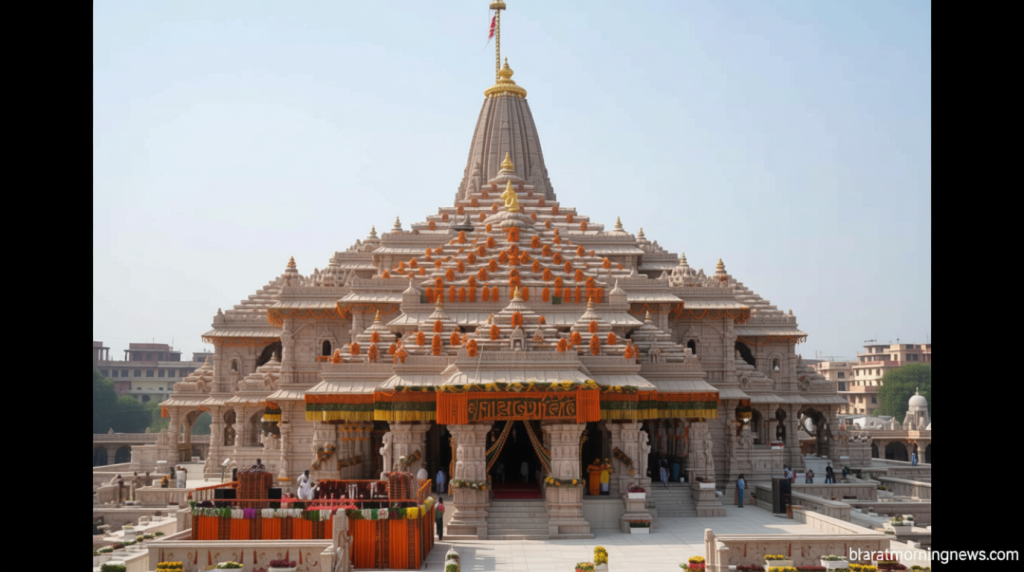
Ram Mandir Pilferage: A Trial of Dharma, Not Divine Might
Bharatmorningnews.com – Devotees are questioning whether the Almighty lacks power after news emerged that contributions meant for Ayodhya’s Ram Mandir were being secretly hoarded by officials entrusted with tallying the offerings. The faithful ask: if such theft could occur within Lord Ram’s own dwelling, does this signify divine impotence? Why did the Supreme Being not intervene?
This inquiry demands a measured response rather than partisan rhetoric from believers and skeptics alike. The scriptural answer predates every temple structure ever raised.
The Nature of Divine Permission
The Supreme Lord dwelling within our mortal frame serves as witness, permitter, sustainer, and experiencer—also termed the Supreme Self. Every thought and deed falls within His awareness. Yet He permits individuals to commit wrongs. Were He to halt every wrongful hand, the very foundations of karma and dharma would crumble. Honesty would hold no merit if dishonesty remained impossible.
A deity who prevents every transgression governs puppets. The God who observes all yet allows actions to mature in due season rules over humanity endowed with moral agency. Our ancient tradition chose this path long ago and has never retreated from its implications.
What Is Truly Stolen?
The Vedas and Puranas never treat sacred sites as fortresses for wealth accumulation. Rather, they view tirtha as a place where the human heart stands exposed. Within the temple, it is not the Divine who faces examination—we are the ones being tested. When a thief takes from the deity, only material wealth disappears; nothing is taken from God who possesses nothing of His own. More significantly, the thief forfeits his viveka, that inner faculty of discrimination.
dharmo rakshati rakshitah. Dharmaprotects those who protect it. Abandon it and you walk out from under its shelter by your own choice.
Divine Justice and Its Timing
Does God remain indifferent to injustice? He hears with patience, which differs greatly from silence. Sanatan dharm maintains that no action goes without consequence—retribution may arrive swiftly, after many years, or beyond death itself. Duryodhana amassed riches and authority yet learned only arrogance from his prosperity. Ravana governed a golden metropolis wielding powers beyond mortal kings. Both ultimately became cautionary tales. Our elders taught that while God’s court may experience delays, darkness never enters it.
Rama’s Example of Dharma
Such wisdom permeates Rama’s own existence. Had He desired, Sita would never have been taken. The exile could have been circumvented; Ravana could have been reduced to embers instantly. Instead, Rama traversed forests for fourteen years, endured human grief upon losing his consort, painstakingly constructed a stone bridge across the ocean, and earned his victory through toil. This demonstrated that dharma unfolds through truth, perseverance, and sacrifice—not through miraculous intervention.
When people ask why Ram failed to prevent a temple thief, they forget that Ram did not even stop the thief who carried away his beloved wife. He answered adharma through the harder path, and that is precisely why we revere him.
The Kali Yuga Context
The Bhagavata Purana describes the Kali Yuga as an epoch where greed thickens and wealth becomes humanity’s measuring stick. This is no prophecy of divine defeat, merely a portrait of our current conditions. As external darkness intensifies, the internal lamp grows more vital. Where temptation exists, honesty must also exist—alongside awareness and courage to voice concerns when wrongs occur.
Whoever sounded the alarm in Ayodhya performed an act of dharma. So too do those calling for thorough audits, systemic reforms, and punishment of the guilty regardless of status. Faith and responsibility need not clash. A devotee demanding transparency in offering management honors God more deeply than one who remains passive.
Conclusion
Let investigations proceed without hindrance. Let truth emerge fully and justice take its rightful place, free from favoritism or fear. This is what Ram would desire from us—the king who banished even his cherished queen rather than allow any subject to question his household’s integrity. Yet the errors of certain individuals should not cause us to doubt God, dharma, or the faith of millions who prayed in Ayodhya with empty hands. Their offering existed beyond counting rooms. It cannot be stolen.