
At SGPGI Lucknow, father donates stem cells to save son with rare genetic disorder
Bharatmorningnews.com – “`html
At SGPGI Lucknow Father Donates Stem Cells in Rare Genetic Disorder Breakthrough
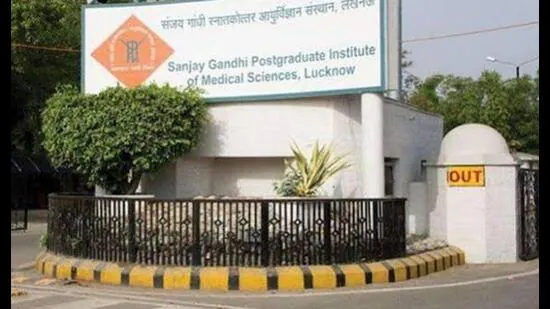
At SGPGI Lucknow father donates stem cells in a remarkable medical achievement that has brought hope to families dealing with rare genetic conditions. The Sanjay Gandhi Postgraduate Institute of Medical Sciences (SGPGIMS) in Lucknow successfully performed a pioneering haplo-identical bone marrow transplant on a five-year-old boy suffering from X-linked Adrenoleukodystrophy (X-ALD). This life-saving procedure, made possible through his father’s stem cell donation, marks a significant milestone for pediatric hematology in northern India.
A Groundbreaking Medical Achievement
The transplant procedure, conducted under the National Programme for Rare Diseases framework, represents SGPGIMS’s first successful bone marrow transplant specifically for X-ALD patients. This achievement is particularly notable as it stands as the inaugural case of its kind in North India, demonstrating the institution’s growing capabilities in handling complex genetic disorders. The successful outcome has positioned SGPGIMS as a leading center for rare disease treatment in the region.
X-ALD is a serious inherited disorder that primarily affects young males, causing progressive damage to the brain, spinal cord, and adrenal glands. Without timely intervention, the condition can lead to severe neurological deterioration and even death. The timing of the transplant was crucial, as the procedure must be performed before permanent neurological damage occurs to maximize its effectiveness.
The Father’s Selfless Contribution
At SGPGI Lucknow father donates stem cells through a haplo-identical transplant process, which utilizes a half-matched family member—typically a parent—as the donor when a completely matched individual cannot be found in the registry. This approach has become increasingly important in providing life-saving treatments for patients with rare genetic conditions who may not have a fully matched donor available.
The father’s willingness to undergo the rigorous evaluation process and donate his stem cells demonstrates the profound impact of family support in medical treatments. The donation procedure involved careful matching of the father’s stem cells with his son’s requirements, ensuring compatibility for the transplant to succeed. This type of family-based donation has proven to be an effective solution for patients lacking matched donors.
Medical Excellence and Expertise
The successful procedure was spearheaded by Dr. Rajesh Kashyap, who heads the hematology department at SGPGIMS, alongside contributions from specialists in medical genetics and laboratory medicine. Dr. Sayan Sinha Roy, an assistant professor within the hematology department, provided detailed insights into the treatment approach and its significance for X-ALD patients.
Hematopoietic stem cell transplantation, commonly referred to as a bone marrow transplant, is currently the only established treatment capable of stopping the progression of X-ALD, provided it is performed before permanent neurological damage occurs.
Expanding Access to Advanced Care
SGPGIMS director Dr. R K Dhiman emphasized that this accomplishment demonstrates the institution’s dedication to cutting-edge research and comprehensive care for rare diseases. He noted that the success provides renewed hope for families confronting rare genetic illnesses while simultaneously enhancing access to sophisticated medical interventions in northern India.
The achievement has broader implications for healthcare accessibility in the region, potentially reducing the need for families to travel to southern or international centers for specialized treatment. SGPGIMS continues to invest in building expertise in rare disease management, making advanced treatments more accessible to patients across northern India and beyond.
This milestone case has also highlighted the importance of early diagnosis and timely intervention for X-ALD patients. Medical professionals at the institute are now better equipped to handle similar cases, contributing to improved outcomes for children with this rare genetic disorder. The success story serves as an inspiration for other medical institutions working to expand their capabilities in pediatric hematology and genetic disorder treatment.
“`