
Delhi HC notifies fast-track courts hours after PM Modi’s announcement against paper leak cases
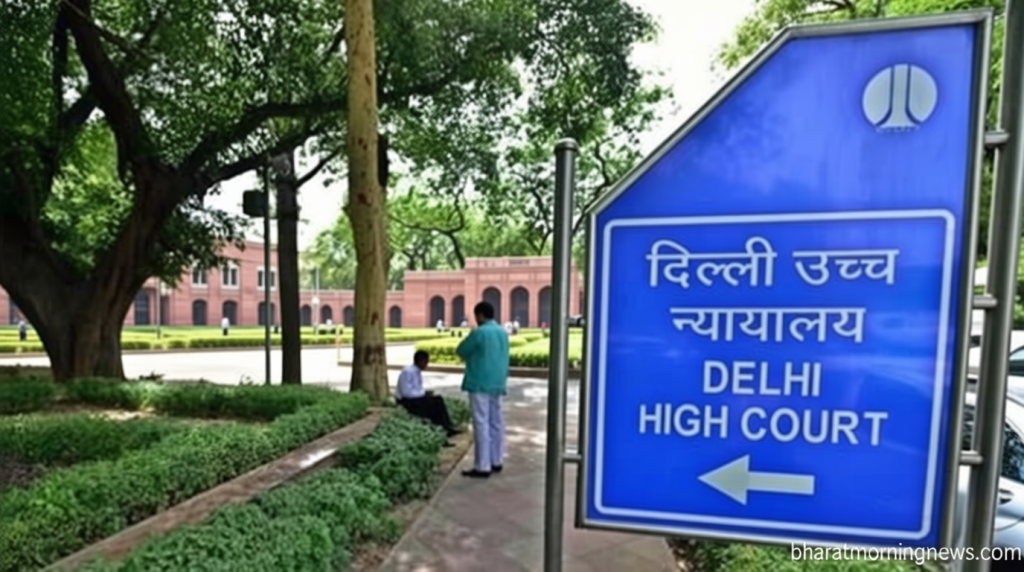
Delhi HC Notifies Fast Track Courts for Paper Leak Cases
Bharatmorningnews.com – Delhi HC notifies fast track courts for handling examination fraud cases. The Delhi High Court has officially established a specialized fast-track court to address violations under the Public Examinations (Prevention of Unfair Means) Act, 2024. This judicial development comes just hours after Prime Minister Narendra Modi announced the government’s commitment to creating dedicated courts for paper leak cases. The new bench will handle both document leaks and cheating incidents during assessments across Delhi.
Judicial Officer Assigned to New Court
The court’s official order, dated July 23, 2026, mandates the immediate transfer of Ms. Anu Grover Baliga to the newly established facility at the Rouse Avenue Courts Complex. Previously serving as Judge-in-Charge for the Mediation Centre at Central Tis Hazari Courts, she now assumes the position of Special Judge (PC Act) (CBI)-25. In this capacity, she will exclusively manage matters registered under the recently enacted legislation.
The notification clarifies that the Hon’ble Chief Justice approved this posting within the Delhi Higher Judicial Service, effective immediately. Furthermore, the judicial officer will operate under the administrative supervision of the Principal District & Sessions Judge-cum-Special Judge (PC Act) (CBI) stationed at Rouse Avenue. This structural arrangement ensures proper oversight and coordination for all cases related to examination fraud.
Case Transfer and Implementation Process
A critical directive within the order requires all pending matters under the 2024 Act, alongside related offenses, to be relocated to the new court for expedited hearings. The notification explicitly states:
“The Principal District & Sessions Judge cum Special Judge (PC Act) (CBI), Rouse Avenue Courts Complex shall transfer all the pending cases under the Public Examinations (Prevention of Unfair Means) Act, 2024 and connected offences to the newly created Fast Track Court.”
Registrar General Arun Bhardwaj signed the final order, which has been distributed to judicial officers, Delhi Police personnel, various government departments, and bar associations to ensure prompt execution of the directives. The implementation timeline ensures that cases can begin hearing within weeks of the notification.
Political Context and Student Welfare
The judicial action followed closely on the heels of PM Modi’s Wednesday announcement on social media platform X, where he outlined the government’s commitment to establishing specialized courts for paper leak cases. The Prime Minister emphasized the need for swift and stringent penalties for those involved in examination fraud, particularly in light of recent NEET protests across the country.
“We have decided to set up fast-track courts to ensure swift and stringent punishment for those involved in paper leaks. Have directed the concerned authorities and officials to take all necessary steps in this regard. This continues our series of steps for safeguarding the interests of students.”
The rapid response from the Delhi High Court demonstrates alignment between executive policy announcements and judicial implementation mechanisms. This coordinated approach aims to address public concerns regarding examination integrity and student welfare. The establishment of this fast-track court represents a significant step toward ensuring justice for students affected by examination malpractices.