
Treat the cause, not the symptom
Treat the cause not the symptom: India's Student Protests A Generation's Frustration Erupts Bharatmorningnews.com – Amidst the chaos, tears, and
Treat the Cause Not the Symptom: Understanding India’s Student Protests
A Generation’s Frustration Erupts
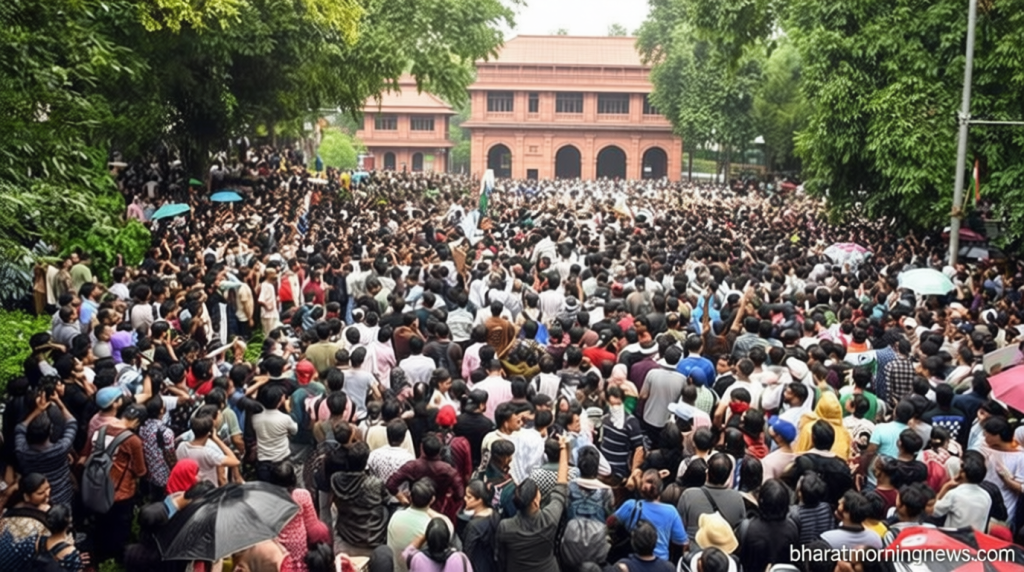
Bharatmorningnews.com – Amidst the chaos, tears, and political maneuvering of Delhi’s massive demonstrations lies an undeniable reality. Young citizens are experiencing profound unease, driven by repeated examination frauds, flawed board evaluation processes, and insufficient governmental responsibility for failures threatening millions of futures. This mounting frustration—simmering for months yet ignored and even ridiculed—burst onto the streets on Monday when tens of thousands marched toward Parliament. The crowd encountered a police force that deployed batons against many peaceful demonstrators and released numerous tear gas canisters into the assembled masses.
Multiple first information reports submitted on Tuesday—including one anticipating broader conspiracy elements—suggest authorities view this demonstration, organized by the emerging Cockroach Janata Party, as merely an isolated incident. However, policymakers would be wise to address the underlying source of this unrest rather than merely treating its outward expression. The distinction between treating symptoms and addressing root causes becomes particularly crucial when examining the systemic failures that have plagued India’s examination system for years.
Constitutional Rights and Balanced Justice
The Constitution guarantees every citizen the freedom to demonstrate peacefully, within reasonable limitations. While no nation can accept unchecked street violence or disorder disrupting daily life, equally important is that mature democracies should not tolerate excessive force against non-violent demonstrators. When citizens damage property or assault officers, legal action must follow. Conversely, when police officers are recorded beating civilians, when women reportedly face harassment, and when students require hospitalization for injuries sustained at police hands—evidenced by a senior minister’s personal visit to affected youth—these allegations too warrant independent investigation.
“The true measure of a democracy lies not in how it handles its most vocal critics, but in how it addresses the legitimate grievances that drive them to the streets.”
Hope as a Unifying Force
In a nation marked by numerous divisions, the aspiration for upward mobility across generations serves as a powerful connector for families and learners spanning regions, faiths, castes, and communities. Employment opportunities, educational access, and dreams of improved circumstances transcend these boundaries, just as anxieties about joblessness and navigating an already imbalanced system do. Success in highly competitive examinations represents perhaps a one-in-a-million opportunity for individuals to lift their families from poverty.
This shared concern explains why student organizers and political figures found themselves accompanied at Jantar Mantar by schoolchildren, many experiencing public demonstration for the first time, others having journeyed overnight to participate. These young people feared their prospects were being stolen by a compromised educational framework that permitted two major national examination leaks within three years, resulting in only superficial arrests. No elaborate conspiracy narrative can eliminate this genuine discontent.
The government’s response must therefore go beyond immediate crowd control measures. Treating the cause not the symptom requires comprehensive reforms in examination security, transparent investigation mechanisms for fraud allegations, and accountability for those responsible for systemic failures. Only by addressing these fundamental issues can authorities prevent similar eruptions of public anger in the future.
Related SEO Topics
- Home
- Artikel terkait Treat the cause not the symptom
- Feeling tired all the time? Physician Dr Kunal Sood shares 5 supplements that can improve fatigue and low energy levels
- Why are people practising Buddhist, Hindu and Zen meditation instead of wellness apps?
- Is there any link between asthma and heart health? Cardiologist Dr Anshul Kumar Jain explains
- Students fall ill after food poisoning incident at Maharashtra’s Nandurbar boarding school, now stable
Frequently Asked Questions
What is Treat the cause not the symptom?
Treat the cause not the symptom is the main topic covered in this article, with practical context to help readers understand the subject clearly.
Why does Treat the cause not the symptom matter?
Treat the cause not the symptom matters because it helps readers compare options, avoid common mistakes, and make a more informed decision.
How should readers use this Treat the cause not the symptom guide?
Use the key points, examples, and related links in this page as a starting point, then review the latest details before making a final decision.